
Trail Guidance
Total trail mileage count
miles of trails in state parks, state recreation areas, and state natural areas
miles of state trails designated as of spring 2026
Want to contribute to adding some more miles?
The North Carolina Trails Program can assist you in identifying steps to create a trail from scatch or manage an existing trail.


Incredible Value of Trails
Trails Boost Local Economies
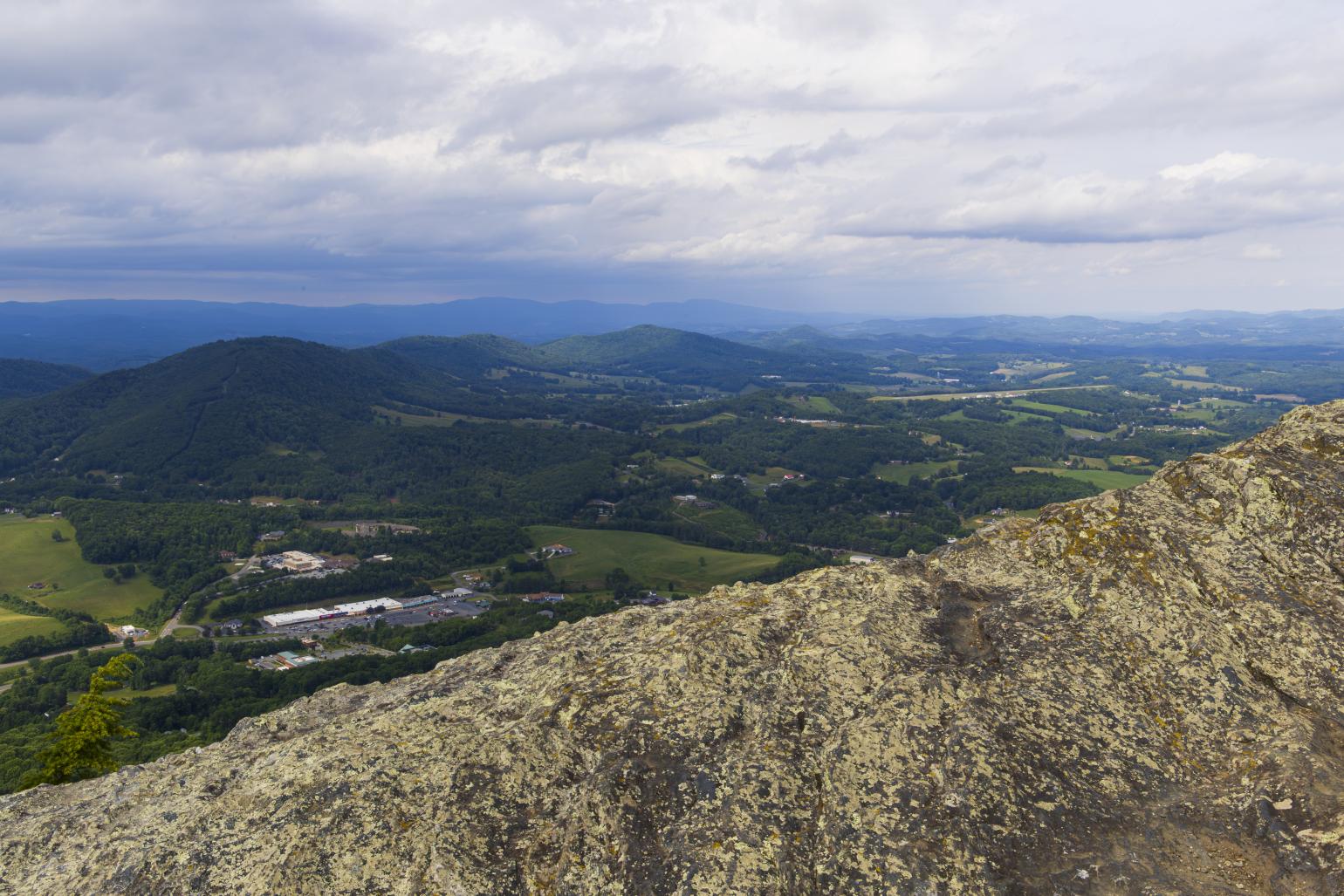
From Murphy to Manteo, trails directly contribute millions of dollars in economic benefits to local communities. As a major tourism draw, they provide a steady stream of customers for businesses — trail users, after all, need places to sleep, eat, and shop. These benefits are especially poignant for smaller rural towns. In Cherokee, the new Fire Mountain Trails have shown they yielded a regional impact of $1.4 million in 2023 in a study from Appalachian State University.
In March 2026, new data released from the U.S. Department of Commerce’s Bureau of Economic Analysis (BEA) showed that outdoor recreation created $17.8 billion in value added to North Carolina and accounted for 2.1% of North Carolina’s gross domestic product.
A 2018 study by North Carolina State University’s Institute for Transportation Research and Education evaluated the economic impact of four greenways across the Coastal, Piedmont, and Mountain regions of the state. The study found that greenways generated $19.4 million in sales revenue at businesses along them, $48.7 million in business revenue from their construction, and 790 jobs were supported annually through greenway construction. Every dollar spent on trail construction supports $1.72 annually from local business revenue, sales tax revenue, and benefits reaped from healthier lifestyles and alternative transportation.
Across the state, trails, greenways, and blueways are a significant part of North Carolina tourism and industry. As noted in the 2021 General Assembly’s House Bill 554 designating 2023 as the Year of the Trail, outdoor recreation is a $28 billion industry in the state. The state benefits from tax revenues generated by trails, ensuring that money spent on trails provides an excellent return on investment.
Trails also provide economic benefits to individuals. They create and support jobs — from trail construction and maintenance to the establishment of new businesses and successes of existing ones. The 2022 Carolina Thread Trail study showed that 15 jobs are supported by each trail mile; with over 300 miles of trails in the network, that adds up to 4,500 jobs in the Charlotte area alone. And according to the BEA, the outdoor recreation industry includes 155,462 jobs across the state in 2024.
Nationwide, a 2012 study commissioned by the American Association of State Highway and Transportation Officials found that walking and biking trails created 17 jobs per $1 million spent, more than any other type of infrastructure project.
Trails Connect Communities
In 1990, the population of North Carolina was 6.6 million; the U.S. Census Bureau estimates that as of July 2024, there are over 11 million people living in North Carolina. These new residents need places to live, work, and study, and the state has continually lost open space to development and urbanization. As cities grow and expand into rural areas, it increases the need for access to trails and natural spaces.
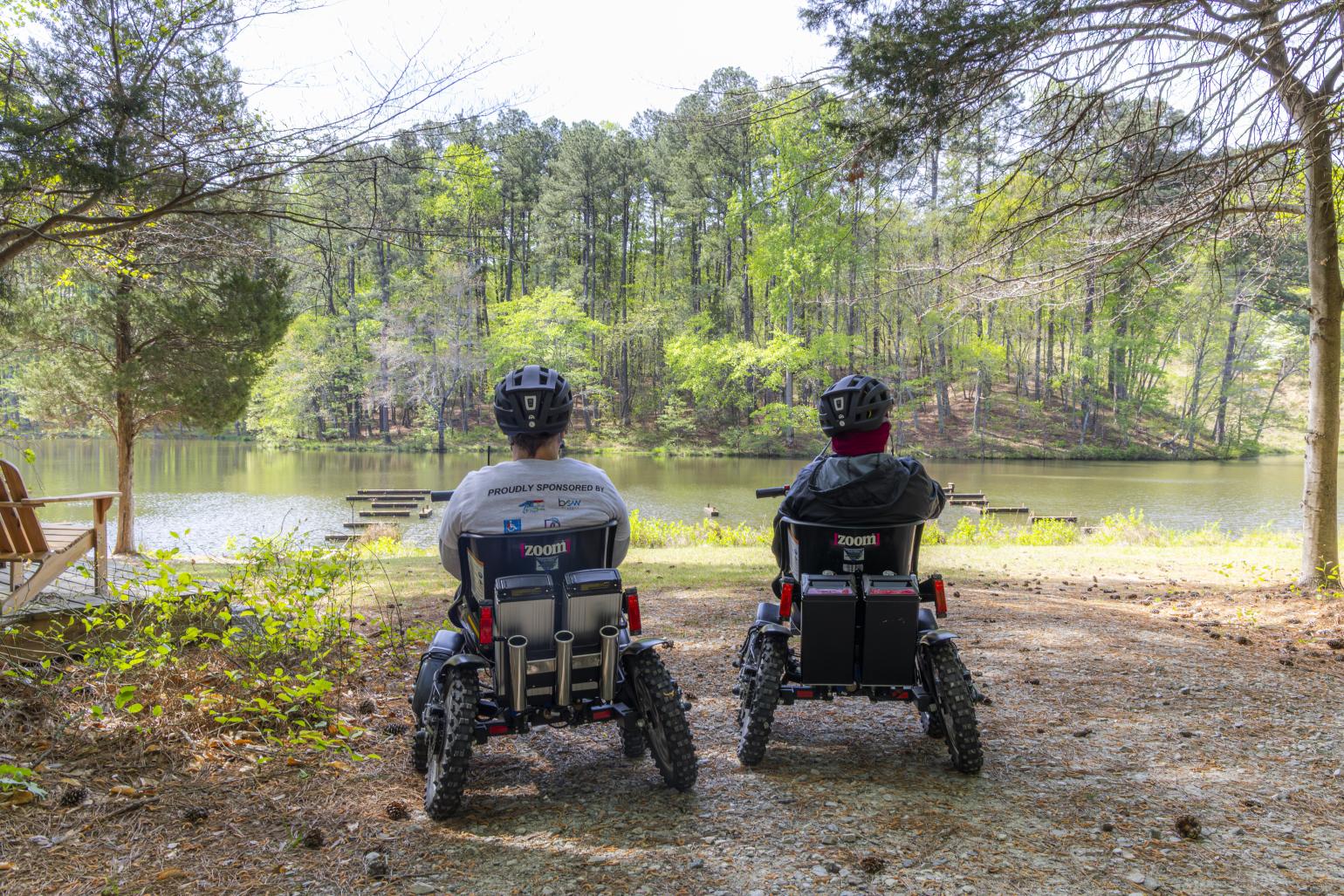
Trails not only provide green spaces to enjoy nature within cities, but they also allow for seamless connections to larger parks and more remote wilderness. Most planning corridors for state trails, for instance, connect towns and cities of all sizes to state parks. Trails create places for people to meet, encourage active transportation, and support equitable access to recreation. By providing a low-cost means to travel to other communities and explore other areas of the state, trails help make outdoor recreation accessible to people from all walks of life.
Trails also foster social capital, as evident during North Carolina’s 2023 Year of the Trail and Great Trails State Day celebrations. Many rural communities participated in the celebrations and encouraged their residents to explore their local trails. Special events have brought neighbors together outdoors. Even beyond Year of the Trail, trail building, use, and maintenance promote civic participation and engagement through volunteering and advocacy.
Trails Protect the Environment

Population growth and urbanization have changed the state's landscape dramatically. Trails help reclaim natural land and mitigate human impacts on the environment. By providing opportunities to enjoy and experience the outdoors and nature, trails can inspire users to take responsibility and stewardship of the world around them. Many trail organizations are also eco-minded and seek to teach low-impact recreation and Leave No Trace principles.
Trails provide a choice for North Carolinians to reduce their carbon footprint by utilizing alternate methods of transportation. Creating a network of interconnected trails makes it easy for someone to walk, hike, or bike to their destination and curtail vehicle emissions. Trails improve water quality, too. Surface runoff from roads and lawns is one of the leading causes of pollution in the drinking water supply. Protected natural corridors for regional trails and greenways can filter pollutants from runoff. Land conservation efforts, especially near rivers and streams, help make drinking water sources cleaner and reduce the cost of water treatment.
Cities have started to utilize trails and greenways as natural floodplains to mitigate flood risk and damage to people and properties. Conservation efforts through trail advocacy also protect sensitive areas like wetlands and nature preserves in urban and rural areas alike. Most importantly, trails help address habitat fragmentation. They can serve as protected "highways" for wildlife, allowing species access to more land and resources. These wildlife corridors also help strengthen biodiversity by reducing ecological isolation.
Trails Promote Healthy Living
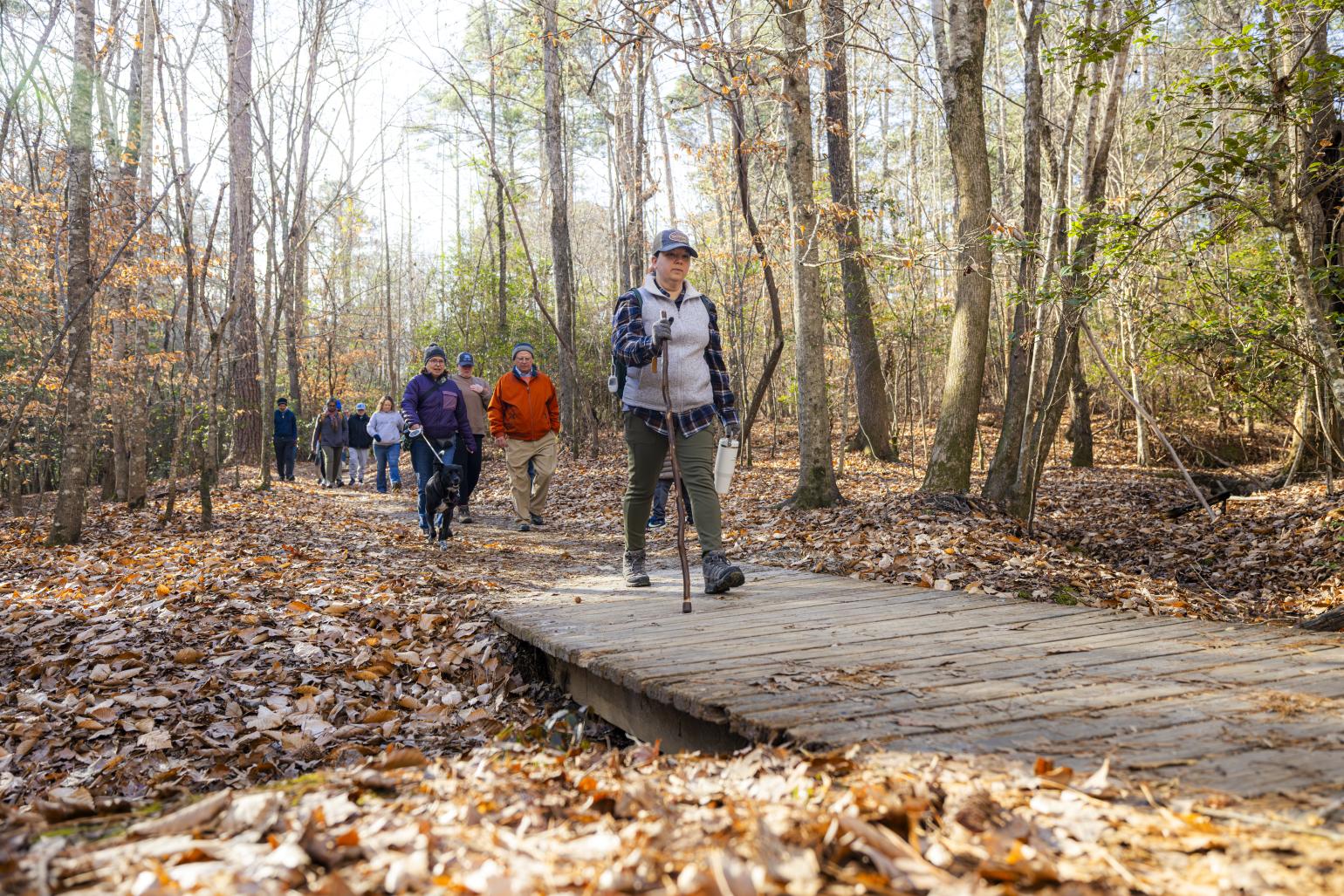
Trails have become an important part of health and wellness and have been proven to increase quality of life. Compared to other outlets for physical activity, trails are usually free, offer a variety of activities, and provide picturesque surroundings to enjoy. People from all economic levels can use trails, and many trails — especially greenways — are accessible to individuals with limited mobility or disabilities.
Those with safe access to trails and greenways tend to be more physically active. Trails can also add a social element to physical activity that further encourages consistent participation; guided hikes, walking meetups, and running groups can utilize trails without being limited by cost or space. Trails also provide stress relief and other mental health benefits as users enjoy nature — with others or even alone.
The health benefits from trails can be quantified by studies that look at the impact of trail use on health care costs. The 2017 East Coast Greenway Alliance study estimated $1.4 million in healthcare cost savings annually for Triangle residents. The 2022 Carolina Thread Trail study calculated an average impact of $310,000 in healthcare savings per trail mile, potentially adding up to $93 million for the whole trail network.